
In digital analytics, ensuring data privacy and compliance is crucial for any business managing user data. With the rise of strict regulations like GDPR and CCPA, it's crucial to ensure that data practices meet these standards. Tealium's data privacy solutions offer robust tools to help businesses achieve data privacy and GDPR compliance.
Tealium’s data privacy features seamlessly integrate into your analytics workflows. This guide will cover the key aspects of Tealium data privacy: understanding relevant data privacy laws, implementing consent management, best practices for secure data handling, and steps to ensure GDPR compliance. For more in-depth information, explore this comprehensive guide for data analysts.
By the end of this guide, you'll be well-equipped to use Tealium to safeguard your data, adhere to regulations, and retain user trust. Let’s explore the essential elements of mastering Tealium data privacy and security in digital analytics.
Understanding the Global Data Privacy Landscape
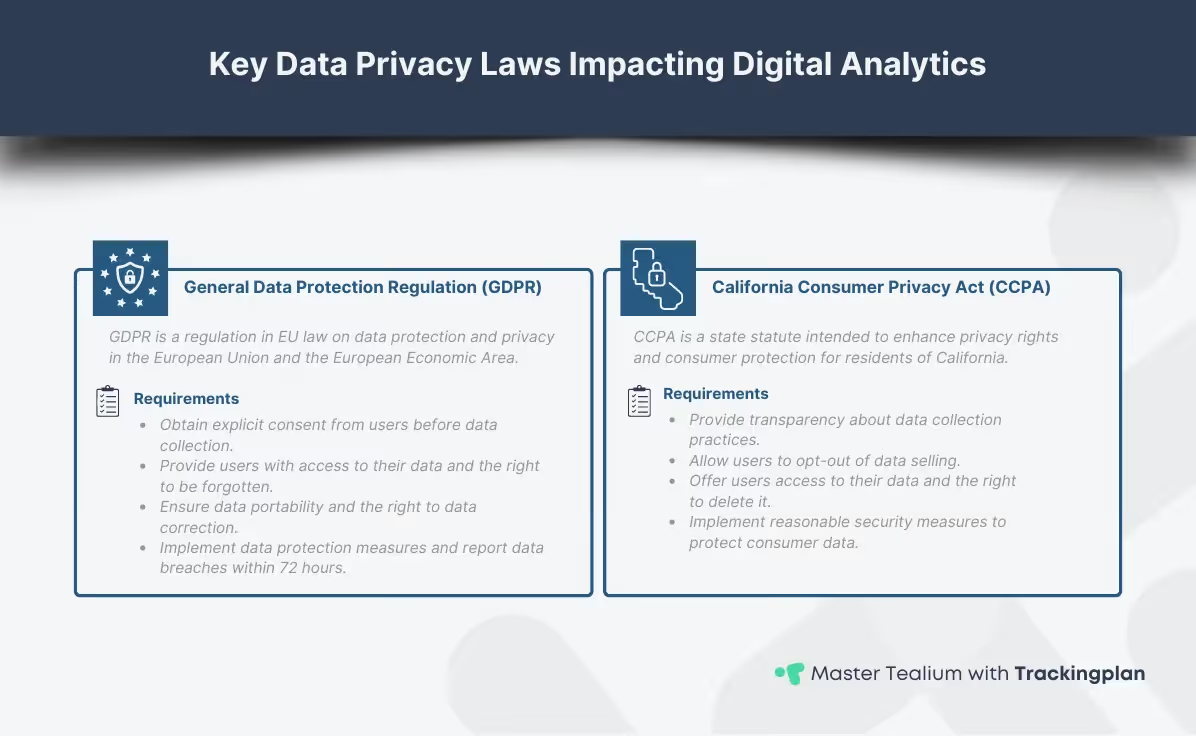
In the field of digital analytics, understanding data privacy laws is crucial. Regulations like the GDPR (General Data Protection Regulation) in the EU and the CCPA (California Consumer Privacy Act) set the global standard for user control over personal data. Compliance is mandatory for any business interacting with citizens in these jurisdictions to protect user privacy and ensure data security.
While your business may be focused on GDPR, modern compliance requires a proactive, global approach. Tealium’s framework is built to handle this complexity, but it relies on your proper configuration to meet the specific requirements of:
- GDPR: Requires explicit, informed consent for processing personal data (Article 6).
- CCPA/CPRA: Focuses on the "Right to Opt-Out" of the sale or sharing of personal information.
- LGPD (Brazil) & VCDPA (Virginia): Signals a trend toward increasing consumer rights globally.
Tealium’s robust data privacy features provides the centralized control necessary to implement these rules consistently across all digital properties, serving as your single source of truth for consent status. This sis crucial to ensure that your data practices align with legal requirements.
For in-depth guidance on best practices for safeguarding data, take a look at this comprehensive guide on Privacy and Data Protection in GA4.
Implementing Granular Consent Management in Tealium
Managing user consent is a vital component of Tealium’s privacy approach. It ensures that users have control over their personal data and that businesses comply with regulations like GDPR. Implementing consent management is essential for building trust and maintaining transparency in your data practices.
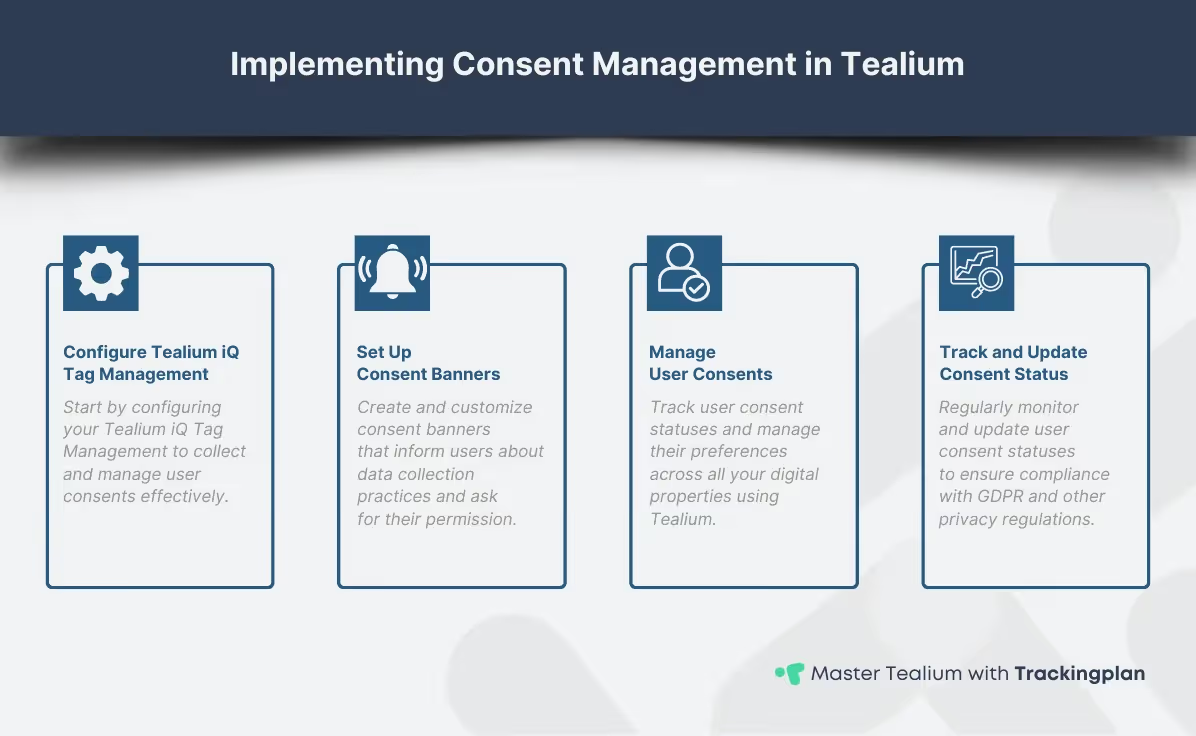
This platform provides robust tools to implement consent management effectively. Start by configuring your Tealium iQ Tag Management to collect and manage user consents. This involves setting up a consent banner that informs users about data collection and asks for their permission. This method ensures your data collection practices are clear and compliant with GDPR and other privacy regulations.
Once you configure the consent banner, you can manage user consent within Tealium. Track user consent status and update it as necessary. These consent management tools allow seamless integration with other systems, ensuring user preferences are respected across all your digital properties. For a detailed guide on this process, take a look at this comprehensive guide on Consent Management.
Implementing consent management in Tealium not only helps in achieving GDPR compliance, but also enhances data security by ensuring that user data is collected and processed with explicit permission. This step is essential for maintaining user trust and complying with regulations.
For more detailed instructions on setting up consent management in Tealium, you can refer to their documentation on consent management.
Setting Up Consent Management in Tealium iQ: A Checklist
🔑 Expert Validation: After implementation, how do you know if a tag is accidentally firing before consent? Trackingplan continuously audits your Tealium Data Layer and tag activity, alerting you instantly if any tag violates its assigned consent rules, ensuring your compliance integrity remains intact.
Best Practices for Secure Data Handling in Tealium
Secure data handling is about protecting data at rest and in transit, and adhering to the principle of Data Minimization.
Data Minimization in Tealium
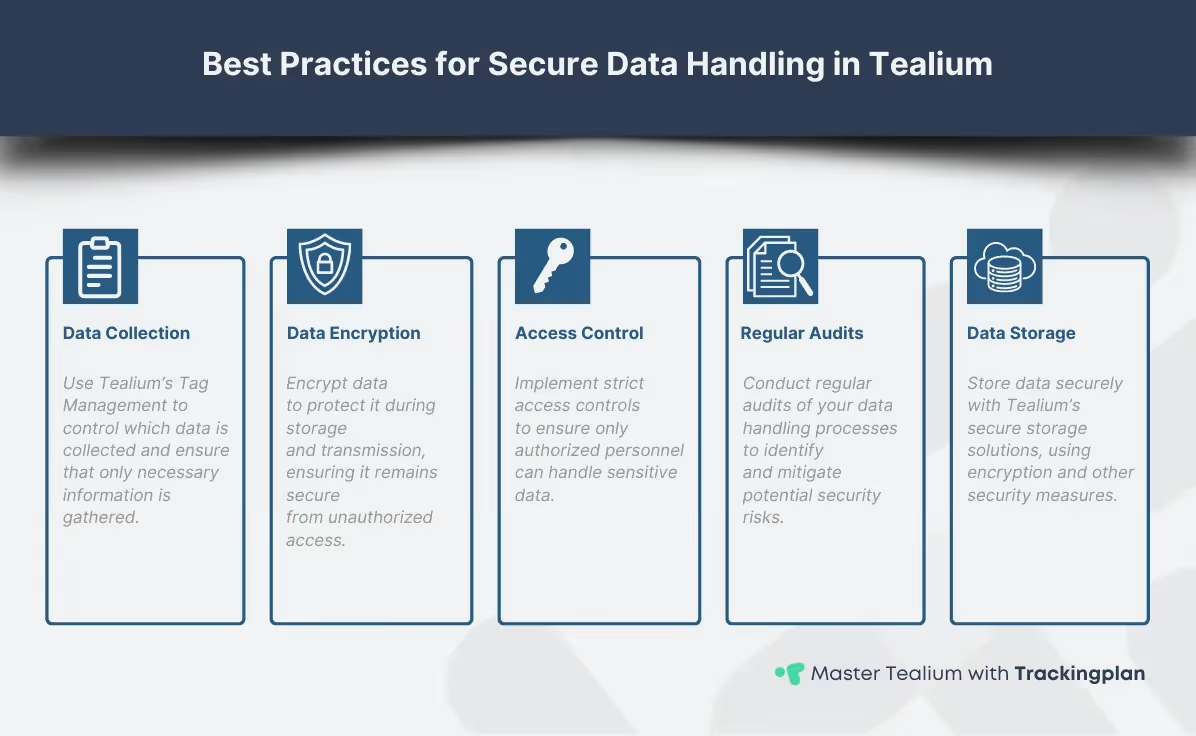
GDPR mandates that you only collect data strictly necessary for a specified purpose. That's why best practices for secure data handling start with the proper configuration of your data collection processes. Use Tealium’s Tag Management to control data collection and ensure that only necessary information is gathered. Perform regular audits of your data collection tags to identify and reduce potential security risks.
- Tag Control: Using Tealium iQ to disable unnecessary tags or load only essential tags for basic site functionality.
- Data Layer Pruning: Ensuring that sensitive or personally identifiable information (PII) is not unnecessarily pushed into the Data Layer unless required for a specific, consented purpose.
- Data Scrubbing: Implementing mechanisms to anonymize or pseudonimize PII within the Data Layer before it is collected by vendor tags.
Secure Data Processing
Once you collect data, it’s crucial to store it securely. Tealium’s secure storage solutions encrypt and protect data at rest with other data security measures. Implementing these features can help you maintain GDPR compliance by safeguarding user information against unauthorized access. Tealium offers robust security features, but configuration is key:
- Access Controls: Use Tealium’s user roles and permissions to strictly limit who can view, edit, or publish tag configurations.
- Server-Side Tagging: Utilize Tealium’s server-side capabilities to reduce client-side data exposure and control the data flow between vendors more securely.
- Regular Audits: Perform quarterly reviews of all active tags and their Load Rules to ensure compliance as regulations and business needs change.
In short, process data securely by controlling access and ensuring that only authorized personnel handle it. Tealium provides tools for managing user roles and permissions, allowing you to restrict access based on job responsibilities. This minimizes the risk of data being mishandled or exposed to unauthorized parties.
For insights specific to e-commerce, consider this resource on Tealium for E-Commerce.
By following these best practices, you can ensure that your data handling processes in Tealium are secure, compliant, and effective. Secure data handling goes beyond GDPR compliance; it’s about maintaining user trust and safeguarding their information.
For more information on protecting your customer data, you can refer to Tealium’s official resources.
Achieving and Validating GDPR Compliance with Tealium
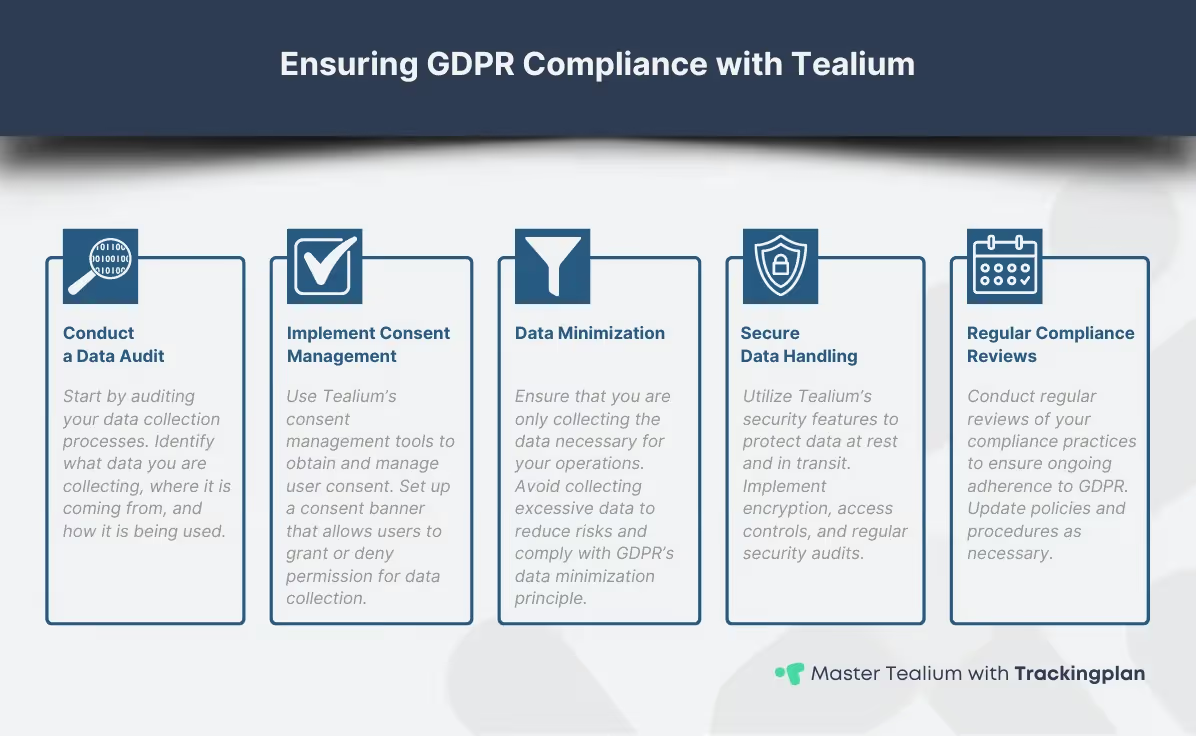
Achieving GDPR compliance is crucial for businesses operating in the EU or handling the data of EU citizens. Tealium’s data privacy tools provide powerful solutions to help ensure your data practices meet these stringent regulations, protecting both your business and your users.
5-Point Checklist for Tealium GDPR Compliance
- Conduct a Data Audit: Identify what PII is collected, where it originates (via Tealium), and where it is being sent (to which vendors).
- Implement Consent Manager: Set up the ECP and ensure the consent state drives all data collection rules.
- Validate Consent Rules: Crucial Step: Manually test and automatically monitor that no tags categorized as marketing or analytics fire when consent is denied.
- Enforce Data Minimization: Verify that only the necessary variables are exposed in the Data Layer and collected by downstream vendors.
- Establish Data Subject Rights Process: Ensure your organization can easily honor user requests (Right to Erasure, Right to Access) by identifying and removing user data across all systems connected to Tealium.
- Use Trackingplan Validation Layer: Trackingplan provides an independent layer of verification on top of your Tealium implementation. It acts as a continuous quality assurance monitor, automatically validating that the technical implementation of your consent management rules is working as intended in real-time, drastically reducing the risk of non-compliance fines.
For further information on Tealium’s approach to privacy, you can refer to their Privacy Notice.
Tealium Data Privacy: Frequently Asked Questions (FAQ)
For additional insights into GDPR compliance, refer to Tealium’s resources on GDPR.
Conclusion
Adhering to data privacy laws goes beyond avoiding fines, it’s about earning user trust and maintaining a strong reputation. By leveraging these tools and features, you can ensure that your business meets the necessary standards for data privacy and GDPR compliance, enhancing data security and building user trust.
In this guide, we have explored the key aspects of Tealium data privacy, GDPR compliance, and data security. By comprehending data privacy laws, implementing consent management, and adhering to best practices for secure data handling with Tealium, you can ensure your data practices meet the highest standards of GDPR compliance and data security.
Continuous compliance and data privacy efforts are essential for maintaining user trust and safeguarding your business. The landscape of data privacy is continually evolving, and staying informed about the latest regulations and best practices is essential. For more on data governance and compliance, check out on Data Governance and Compliance in Adobe Analytics.
For further reading and to deepen your expertise, explore more detailed resources on mastering Tealium and optimizing Tealium for e-commerce.
Leverage Tealium’s data privacy tools and features, to confidently navigate the complexities of data privacy and GDPR compliance, ensuring your business remains secure and trusted by your users.
Embrace the future of data privacy, stay proactive, and let Tealium elevate your data security standards.